

John Carter

Around 20 years ago, Disney released a film, based on a property only familiar to a few. The film was a nearly-perfect adaptation of the source material, and a great film in its own right. The studio, however, didn’t support it that much, and when it opened at #4 in the box office, it quickly sank. That film was The Rocketeer, and to this day, Disney continues to give the film a short shrift — most recently releasing a bare-bones no-extra-features BluRay for the 20th anniversary — despite the fact that it stands as one of the studio’s best-realized productions.

I see a lot of The Rocketeer in John Carter.

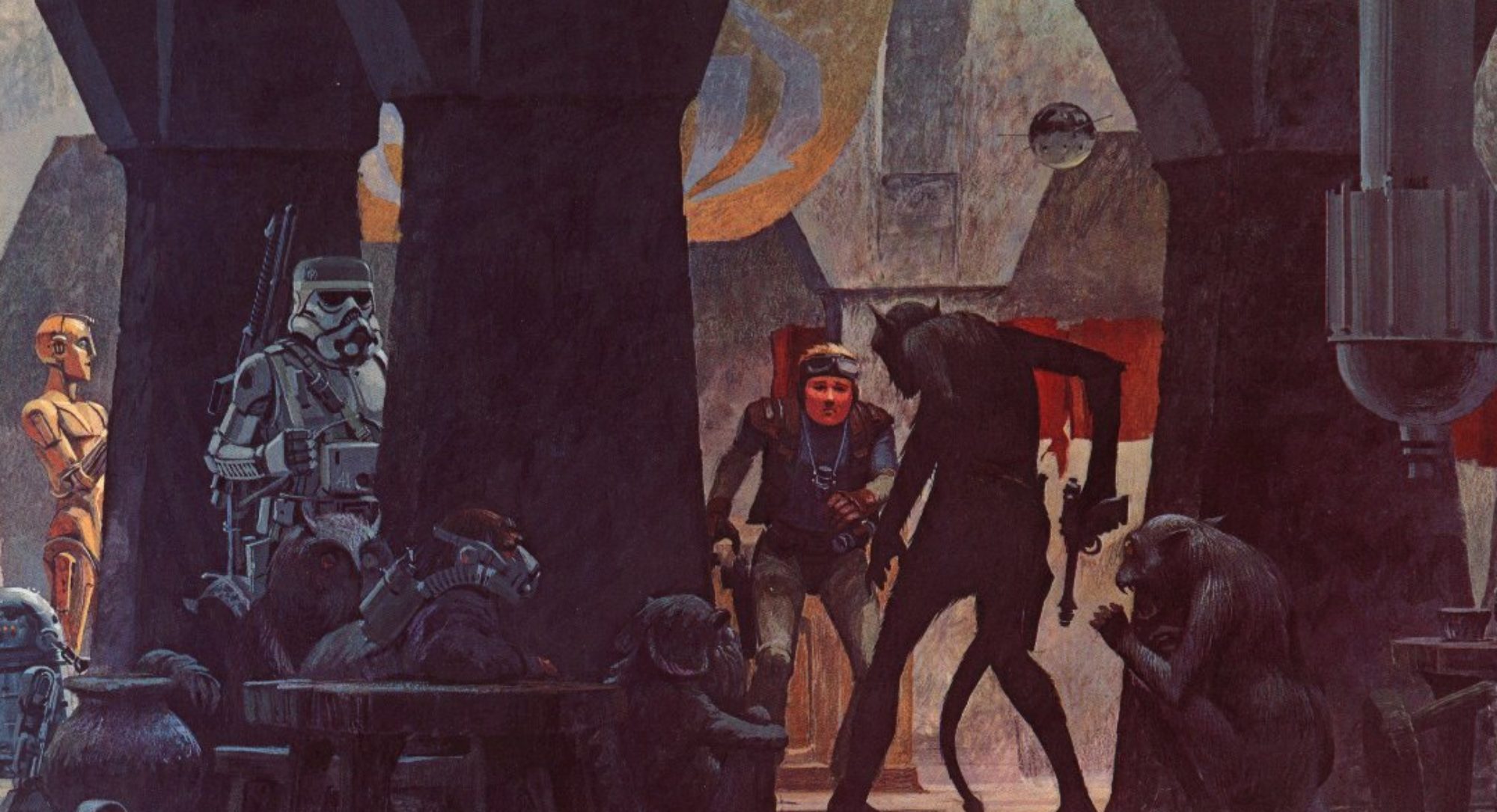
I’ve been a fan of the John Carter stories since I first read “A Princess of Mars” at age 11 or 12. My wife and I saw the midnight premiere of John Carter last night, in IMAX 3D — and despite reservations that I had, from awareness of the studio’s dumping the film in a traditional dead zone for releases which traditionally presages a dud that they’re looking to forget quickly, what I saw was a nearly perfect distillation of the themes and images that have been in my head for 30 years. Some changes were made, of course — such things are inevitable in film — but the changes (especially an updating of Dejah Thoris into a more active and capable character, while still maintaining her traditional allure) actually serve to make the film better than the source novel in some respects.

In many ways, it’s a bit like Peter Jackson’s Fellowship of the Ring in that way — a film that gets the look and feel of the work so very right, but with slight changes that make it a better film.

Of course, the press has passed judgement — they’ve read Disney’s intention (the neutering of the title, the early March release, the near-total lack of tie-in support), and, as ever eager to follow the lead of their betters, are lining up to belittle the film as gimmicky, one-dimensional, hokey, and even derivative. (Yes, a century-old story which influenced dozens of sci-fi blockbusters is now criticized as copying those blockbusters. This is the culture we’ve created, kids — welcome to it.)

Don’t believe it. John Carter is everything a Mars movie should be: mysterious, wondrous, exotic, thrilling, and filled with unabashed pulp heroism. Efforts like this should be rewarded.

The fans of NBC’s always-on-the-brink-of-cancellation Community have a saying: “Six seasons and a movie.” John Carter deserves a trilogy (at least) — but at this point it doesn’t look likely that it will even make back its budget on US box office. Which is a damned shame — because the lesson that Disney will learn from this is that films like this don’t make any money.

If you love science fiction, pulps, or just a good, old-fashioned tale of heroism, do your self a favor and go see this film, before it, like The Rocketeer before it, sinks out of view.

The Last Nail

A week ago over on Google Plus I posted about the reasons why I wasn’t going to be seeing the Avengers film, despite my comics-geek nature, because of the absolute crap way that Marvel treated the man who co-created most of those characters, Jack Kirby. Add to that the bullshit news about DC doing Watchmen Prequels (their original contract with Alan Moore specified that he’d regain rights after Watchmen went out of print, which they then never allowed to happen, keeping it in print via graphic novels, a format which didn’t exist at the time the contract was signed. It’s pretty much no secret that “creator’s rights” in corporate media is a joke.

Now comes the last nail in the coffin — Gary Friedrich, the guy who created GHOST RIDER, is being made an example of by Marvel.

Friedrich brought suit against Marvel for a share of the money made by the first GHOST RIDER film — he didn’t see a penny from it. Everybody pretty much knew that this age of “Corporations are People” and “Money is Free Speech”, he had no chance in Hell, so it wasn’t surprising that he lost his case. Back when Gary worked for Marvel, they included a rights waver on your paycheck. That’s right: If you wanted to get paid, you had to endorse the check, which meant signing right below legal language that gave up the rights to anything you produced. Ethically bankrupt? Sure. Evil? Yes, I’ll even go there. But perfectly legal. So, naturally, Gary lost his case — he would see no money from the GHOST RIDER films, despite creating the character.

Marvel didn’t stop there, though. They countersued, and, outrageously, WON. Gary is now barred from making any money in association with the term or character “Ghost Rider” — which means he cannot do convention appearances as “the creator of Ghost Rider”, nor can he make any money from convention sketches, etc. In addition, the lawsuit hit him with a judgement that he owes Marvel $17,000 for past “merchandise sales.”

They cut the legs out from under a senior citizens SOLE source of income. If he can’t promote himself and make a living based on the character he created, what the hell is he supposed to do?

I don’t have words to express my fury. It is, as Bleeding Cool termed it, “the day that Marvel put a bullet in the head of Artists’ Alley.” Because make no mistake — this lawsuit will scare the shit out of convention organizers, who will (correctly) feel that they’re at risk of litigation by facilitating “unauthorized merchandise sales.” I expect to see policies barring original art sales at especially the big-prestige conventions soon.

So, I’m done. Marvel and DC will no longer get a cent of my money. No comics, no graphic novels, no books, no movies. Because it’s the only thing that the corporations understand — “money is speech”, after all.

If you’re interested in doing what you can to help Gary Friedrich, please visit Steve Niles’ fundraising page. Steve, the creator of 30 DAYS OF NIGHT, is taking Paypal donations for Gary, who is broke and in danger of losing his home by the end of the month because of the judgement against him. Please donate.

As for comics? I will try to continue my comics geekery via creator-owned works where possible — there’s a lot of good stuff out there, like Atomic Robo for example. Feel free to add your recommendations in the comments below.

Marvel and DC, though? Never again. The only way we’re going to stop corporate exploitation of creators is to stop enabling it. It may not be much, but I can’t contribute to it any more.

LATE.

Confession-is-good-for-the-soul time. My biggest professional failing is lateness. I always overestimate how quickly I can get things done, and I’m always doing more than one thing, so once a project falls behind schedule, I’m playing a constant game of catch-up… and the lateness causes a cascade into everything else I’m doing, causing them to be be delayed as well. Next thing I know, I’m left feeling like I’m simultaneously juggling five or six balls while also desperately treading water trying to avoid drowning.

(Yeah, I know — my stress-metaphors don’t fuck around.)

The side effect of the cascade is that I’m constantly working with several projects which are all behind schedule — which makes working on each one that more difficult, due to the peculiarities of how my brain works. Logically, I know that if project A is the latest, I should knock that out until it’s done, and move on to project B, which is less late, then on to C, which is barely late. Somewhere in the misfiring neurons of my stress-addled mind, however, if I try to concentrate on A, then thoughts of B & C intrude, nagging at me almost to the point of panic. “We’re late,” they cry. “You need to get this done!” And so my work on A is like crawling over broken glass (see? I wasn’t kidding about the stress-metaphors). I often end up trying to bounce between projects to shut down the nagging, which of course doesn’t really do anything but slow down the completion process.

This is one of those things where working for yourself puts you at a disadvantage. I’m pretty sure if I had somebody telling me “DO PROJECT A.” I could concentrate purely on that — and then they could point me at the next task. Adamant, however, is a one-man shop, plus freelancers, co-developers, etc. Which means that everything bottlenecks through me, and I’m the guy standing over myself, giving the orders.

The result is 7-day work weeks, filled with 12-16 hour days. I can’t allow myself to unclench, to give myself any down-time, as long as there are projects which need work… and there are always projects which need work. Lack of down-time means that my immune system is stress-weakened, which often results in my getting slammed by whatever bug is going around, which has the added joy of making me feel even worse — and making my work even slower and the projects even later.

So it’s a failure of which I am exceedingly aware.

Folks ping me all the time, though — via social media, email, forums, etc. Fans, for the most part. Enthusiastic. “When is X coming out? Is it out yet? When? How about now? I’m dying over here! Now? Come on!”

On the one hand, I know this is a positive thing. People look forward to the stuff I release. They want it. This is, of course, far better than the alternative — that they don’t care or don’t even notice.

On the other hand, though? A gut-twisting knife, every time. Seriously — actual physical discomfort. A stark reminder of my failing. Massive injections of additional pressure and stress …and I know it’s not intended to be that. It’s genuine interest from genuine fans, and I absolutely hate that my brain has managed to turn that into a negative thing.

So I end up using my lunch break to write out a blog post like this, in the hopes that putting it down in black-and-white will force my mind to stop doing that.

How about you folks? How do you keep from falling behind (or whatever your own personal failing may be)? How do you hack your own brain to stop responding in ways that are detrimental to your work?